To choose the right metal junction box, start with the installation environment, then confirm the box type, internal volume, material, mounting method, knockout layout, grounding requirement, cover style, and safety rating. The right box should provide enough wiring space, support proper grounding, match the conduit or cable system, and protect electrical connections in the intended location.
For a simple indoor project, a galvanized steel box may be enough. For outdoor, wet, or corrosive environments, a weatherproof metal box with a gasketed cover, corrosion-resistant material, and suitable IP or NEMA protection may be required.
Start with the Project Environment
The installation environment decides the basic box type, material, and protection level. A dry indoor wall, an exposed garage, an outdoor wall, and an industrial wet location should not be treated the same.
| Project Environment | What to Choose | Main Reason |
|---|---|---|
| Dry indoor location | Galvanized steel or standard metal box | Good durability for common wiring protection |
| Garage or workshop | Surface-mounted metal box or utility box | Suitable for exposed wiring and conduit systems |
| Outdoor or wet location | Weatherproof metal box with gasketed cover | Helps protect against rain, moisture, and dust |
| Corrosive environment | Stainless steel, aluminum, or protected finish | Reduces rust and surface failure |
| Industrial or hazardous area | Special rated enclosure or explosion-proof box when required | Helps meet higher safety requirements |
Choose the Right Metal Junction Box Type
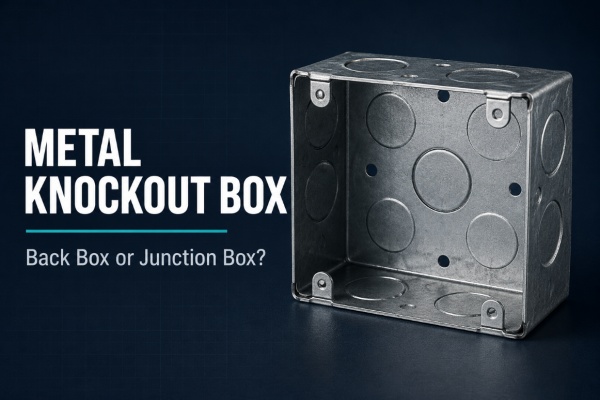
Different projects need different box types. The right type depends on what the box will hold and how it will be installed.
| Box Type | Common Use | Key Check |
|---|---|---|
| 4-Inch Square Box | Multiple wire connections, switches, outlets, conduit runs | Depth, cubic capacity, cover type |
| Handy / Utility Box | Surface-mounted switches or receptacles | Narrow space, simple exposed wiring |
| Octagon / Round Box | Light fixtures and ceiling wiring | Fixture support and mounting strength |
| Ceiling Fan-Rated Box | Ceiling fans or heavier fixtures | Must be fan-rated and securely mounted |
| Weatherproof Box | Outdoor or damp locations | Gasket, sealed cover, IP/NEMA protection |
| Pull Box / Larger Junction Box | Larger conduit systems or wiring transitions | Internal space and access for maintenance |
Check Box Size and Cubic Capacity
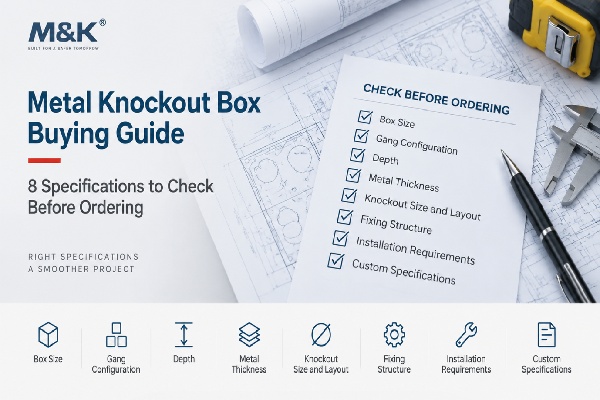
Size is not only about whether the wires can physically fit inside. The box must have enough internal volume for conductors, connectors, devices, clamps, and safe wire bending.
• Box width, height, and depth
• Internal cubic capacity
• Number of conductors
• Wire size
• Number of splices or devices
• Space for connectors or terminals
• Cover clearance
• Future maintenance access
A box that is too small can make wiring crowded, increase installation difficulty, and create overheating or code-compliance risks. For more complex wiring, a deeper 4-inch square box is often more practical than a shallow box.
Match the Material to the Environment
Material affects strength, corrosion resistance, weight, and service life. The best choice depends on where the metal junction box will be installed.
| Material | Suitable Use | Main Advantage |
|---|---|---|
| Galvanized Steel | General indoor or dry locations | Strong, common, cost-effective |
| Painted Steel | Indoor or controlled environments | Clean appearance and finish flexibility |
| Die-Cast Aluminum | Outdoor, damp, or lightweight applications | Good corrosion resistance and lower weight |
| Stainless Steel 304 | Humid or corrosion-prone environments | Better corrosion resistance |
| Stainless Steel 316 / 316L | Coastal, chemical, or harsh environments | Stronger corrosion protection |
Decide Between New Work and Old Work Boxes
The installation stage affects the mounting style. New construction, remodeling, exposed wiring, and finished-wall projects may need different box designs.
| Installation Type | How It Works | When to Use |
|---|---|---|
| New Work Box | Mounted directly to studs, framing, or structure before the wall is closed | New construction or open-wall projects |
| Old Work / Remodel Box | Uses ears, clamps, or wings to secure to existing drywall | Remodeling or finished-wall installation |
| Surface-Mounted Box | Mounted directly on the surface, often with conduit | Garages, workshops, exposed wiring, industrial areas |
| Flush-Mounted Box | Installed inside the wall for a cleaner appearance | Finished interior walls |
Check Knockouts and Cable Entry Points
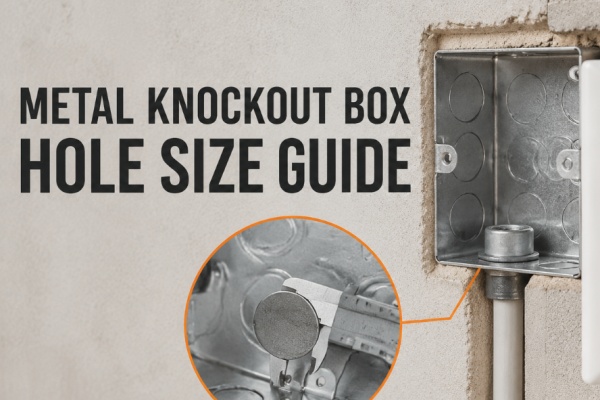
Knockouts allow conduit or cable to enter the box. The number, size, and location of knockouts should match the wiring route.
• Number of knockouts
• Knockout size, such as 1/2 inch or 3/4 inch
• Top, bottom, side, or rear entry direction
• Compatibility with conduit or cable connectors
• Clean punched edges without burrs
• Whether unused openings can remain properly closed
Confirm Grounding and Bonding Requirements
Metal boxes often need proper grounding or bonding. This is especially important when using metal conduit, metal-clad cable, or systems that require grounding continuity.
• Whether the box has a grounding screw or grounding hole
• Whether the box can bond properly with metal conduit or fittings
• Whether paint or coating affects grounding contact
• Whether bonding jumpers or grounding accessories are required
• Whether local electrical code requirements apply
Do not assume the box is safe only because it is metal. The installation must also support proper grounding and bonding.
Choose the Right Cover
The cover protects the wiring and keeps the box secure. It should match the box type, location, and access requirement.
| Cover Type | Best Use |
|---|---|
| Flat Cover | Basic junction protection |
| Raised Cover | Switches, outlets, or extra device clearance |
| Blank Cover | Closing unused junction boxes safely |
| Gasketed Cover | Wet, dusty, or outdoor locations |
| Weatherproof Cover | Outdoor exposed applications |
| Hinged Cover | Frequent inspection or maintenance |
Check IP, NEMA, UL, or Local Code Requirements
Not every project needs a high protection rating, but the box should match the installation environment and local safety requirements.
For dry indoor use, a basic listed box may be enough. For outdoor, damp, dusty, or industrial environments, check whether the product needs a higher IP/NEMA rating or a special enclosure design.
Avoid Common Selection Mistakes
• Choosing only by price
• Using an indoor box outdoors
• Ignoring box fill and internal volume
• Choosing a box that is too shallow
• Forgetting grounding requirements
• Selecting the wrong knockout size or location
• Using a normal box for a ceiling fan
• Ignoring wet or dusty conditions
• Forgetting the right cover, screws, clamps, or fittings
• Assuming all metal boxes have the same safety rating
Quick Checklist for Choosing a Metal Junction Box
• Where will the box be installed?
• Is the location indoor, outdoor, wet, dusty, or corrosive?
• What type of box is needed?
• Is it for new work, old work, surface mounting, or flush mounting?
• Is the internal volume large enough?
• Does it meet box-fill requirements?
• Is the material suitable for the environment?
• Are the knockouts in the right size and position?
• Does the box need grounding or bonding support?
• What cover type is required?
• Does it need IP, NEMA, UL, CSA, or local code compliance?
• Is it for a light fixture, ceiling fan, device, conduit system, or general junction?
M&K Metal Junction Box Support
M&K provides metal junction boxes and metal knock out boxes for different electrical applications. Product options can include different sizes, depths, material thicknesses, knockout layouts, cover styles, surface finishes, grounding support, mounting methods, and protection requirements.
A suitable metal junction box should provide enough wiring space, match the installation method, support safe grounding, and fit the actual environment where it will be used.
Contact M&K for support with metal junction box selection, size, material, knockout layout, cover options, and product specifications.