Industry Knowledge

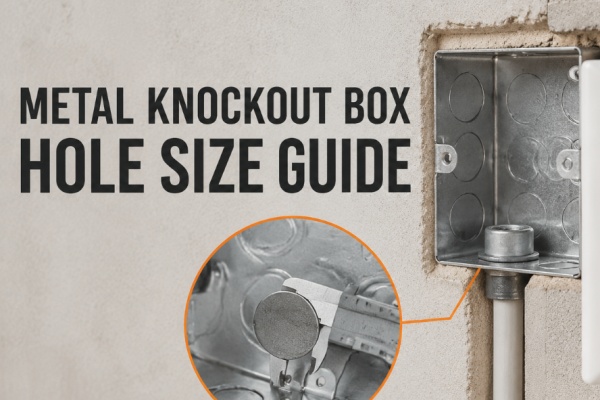
In a metal junction box or metal knock out box, knockout configuration means more than the quantity of knockouts. It includes their number, size, position, and direction. Two boxes may look similar in dimensions, but one may be much easier to install because its knockout layout matches the conduit path
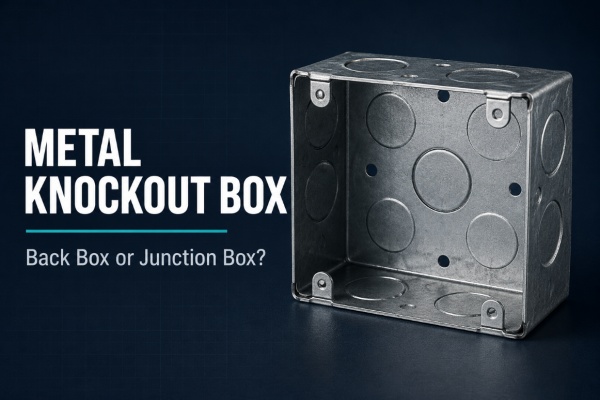
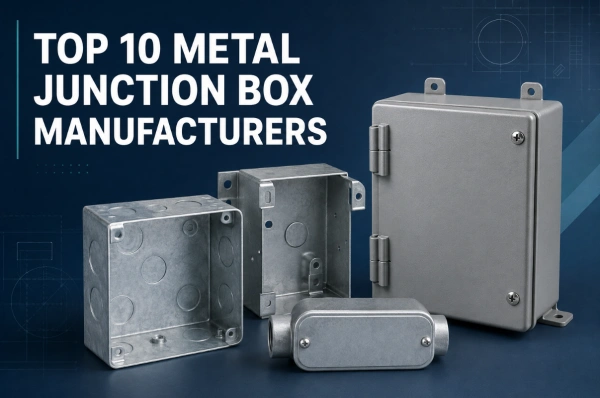
A metal junction box is a protective enclosure designed to house electrical connections like wires and cables. Made from durable materials such as steel or aluminum, metal electrical boxes shield components from external damage, moisture, and dust, ensuring that wiring systems are secure and protected.
The term “knockout” refers to a pre-punched, perforated section in a metal junction box that can be easily removed by a tool. This allows the installer to create an entry point for electrical conduit or wires without needing additional cutting or alterations to the box itself. The "knockout" can be
The terms "Metal Junction Box" and "Knock Out Box" are often used interchangeably, but they do not refer to exactly the same product. While they are related and sometimes overlap in use, they serve slightly different functions depending on the context of the installation or the focus of the discussion.
One of the primary uses of a metal electrical box is to protect wire splices and terminations. Splices refer to the connection between two wires, and terminations are the ends of the wires that connect to a device, switch, or outlet. These connections are vulnerable to damage from environmental factors,
Square metal junction boxes are typically used in applications that require a compact and uniform enclosure for electrical wiring. They are ideal for fitting into tight spaces and can be used in both residential and commercial projects. Square boxes are often used for splicing wires, connecting outlets, or securing other
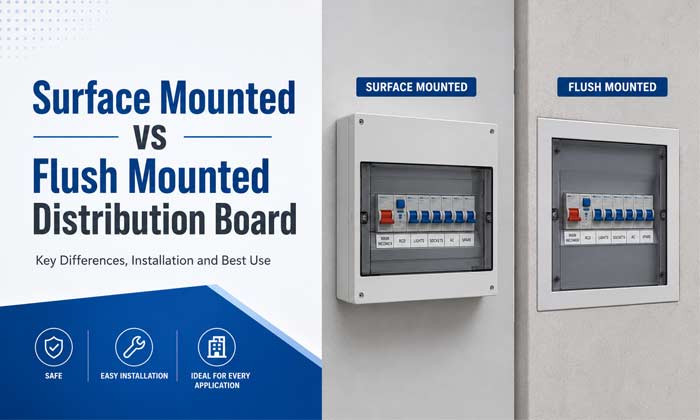
A surface-mounted metal junction box is a box that is installed directly onto the surface of a wall or other structure. It is typically attached using screws, and the box sits above the surface without being recessed or embedded into the wall. This type of installation is ideal for situations
In the context of electrical boxes, the term “gang” refers to the number of device slots the box can accommodate. For example, a “1-gang” box can hold one electrical device (like a single outlet or switch), while a “2-gang” box can hold two devices. Essentially, the more "gangs" in a
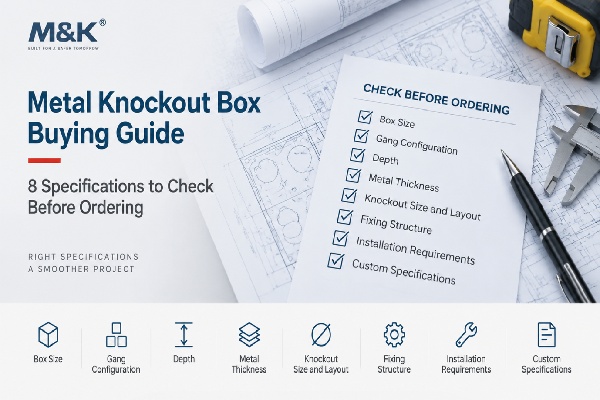
When selecting a metal junction box, understanding its dimensions is one of the most important specifications. The dimensions of the box will determine whether it fits within the space available and whether it can accommodate the necessary components.
Metal junction boxes come in a variety of sizes to accommodate different wiring needs. The most common sizes are typically classified by their length, width, and depth, with the most common being small, medium, and large boxes. Each size is designed to serve specific purposes, and choosing the right one
When selecting a metal junction box, the depth of the box is a crucial factor in determining its functionality. Depth affects how much wiring the box can accommodate, the ease of installation, and the overall safety of the system. A box that is too shallow may not provide enough room