Table of Contents
- What Are the Essential Components of a Distribution Board?
- What Does a Distribution Board Do?
- What Is the Main Switch in a Distribution Board?
- What Do Circuit Breakers Do in a Distribution Board?
- What Is a Busbar in a Distribution Board?
- What Are Neutral and Earth Bars Used For?
- What Is an RCD or RCCB in a Distribution Board?
- What Is the DIN Rail Used For?
- Why Is the Enclosure Important?
- Are Surge Protection Devices Needed in a Distribution Board?
- How Do These Components Work Together?
- What Should Buyers Check Before Choosing a Distribution Board?
- Need Help Choosing a Distribution Board?
The main components of a distribution board include a main switch, circuit breakers, busbars, RCDs, neutral and earth bars, DIN rail, and enclosure.
A distribution board is the central point where incoming electrical power is received, divided, protected, and sent to different circuits. Each component inside the board has a clear role. Some parts control power, some distribute electricity, and others protect people, wiring, and equipment from electrical faults.
For buyers, understanding these components helps avoid choosing a distribution board only by outer size or number of ways. A good distribution board should have a clear internal layout, enough wiring space, suitable protective devices, and reliable connection points.
What Are the Essential Components of a Distribution Board?
A typical distribution board includes control, distribution, protection, connection, mounting, and enclosure parts. The exact configuration may vary depending on residential, commercial, or industrial use.
| Component | Main Function |
|---|---|
| Main switch / isolator | Controls the incoming power supply to the whole board. |
| Circuit breakers / MCBs | Protect individual circuits from overload and short circuit. |
| RCD / RCCB | Detects leakage current and helps reduce electric shock risk. |
| RCBO | Combines overcurrent protection and leakage protection in one device. |
| Busbar | Distributes power from the incoming supply to outgoing circuits. |
| Neutral bar | Connects and organizes neutral wires. |
| Earth bar | Connects protective earth wires for grounding safety. |
| DIN rail | Holds modular electrical devices in place. |
| Enclosure | Protects internal live parts from contact, dust, and damage. |
What Does a Distribution Board Do?
A distribution board safely divides one incoming power supply into several outgoing circuits. These circuits may supply lighting, sockets, air conditioners, machines, pumps, or other electrical loads.
- Receives incoming electrical power from an upstream source.
- Divides power into several branch circuits.
- Holds protective devices for overload, short-circuit, or leakage protection.
- Supports neutral and earth wiring connections.
- Makes inspection, maintenance, and fault isolation easier.
What Is the Main Switch in a Distribution Board?
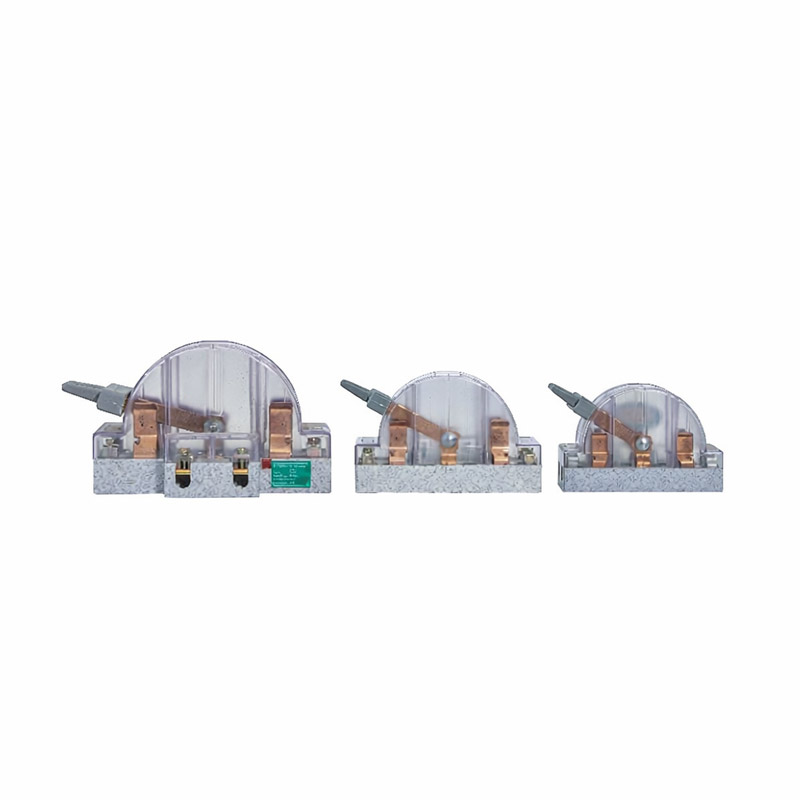
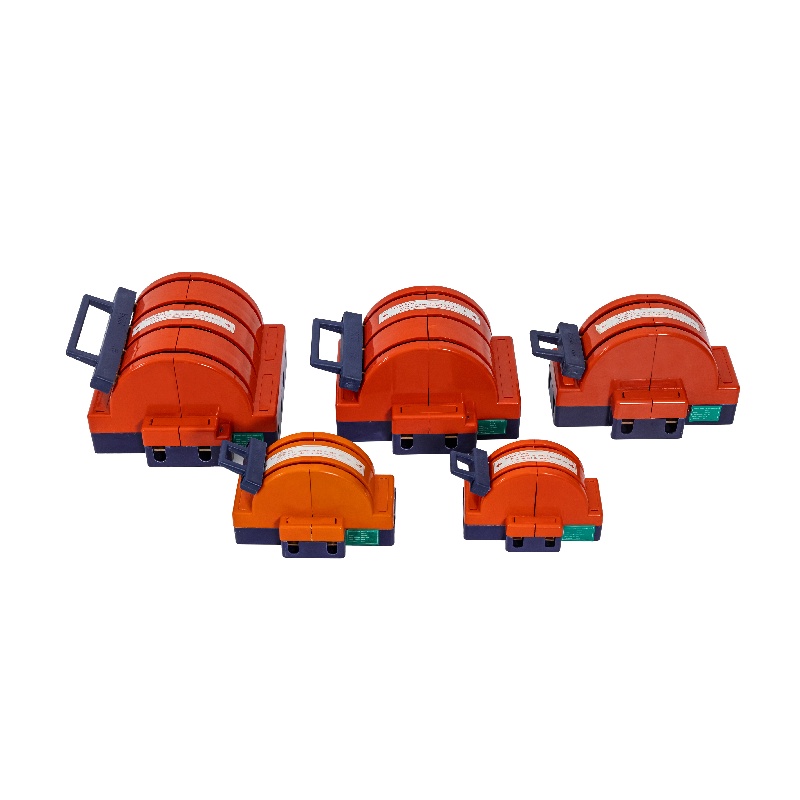
The main switch, also called an isolator, is the main control point of a distribution board. It allows the entire board to be switched off when maintenance, inspection, repair, or emergency shutdown is required.
This part is important because electricians need a clear and safe way to disconnect power before working inside or around the board. For project use, the main switch should match the rated current, number of poles, and single-phase or three-phase system.
When checking the main switch, buyers should consider rated current, number of poles, wiring access, installation space, and compatibility with the distribution board design.
What Do Circuit Breakers Do in a Distribution Board?
Circuit breakers protect individual circuits from electrical faults. The most common type is the MCB, or miniature circuit breaker. It automatically trips when it detects overload or short-circuit conditions.
For example, if one circuit carries too much current or has a wiring fault, the MCB cuts power to that circuit before the problem becomes more serious. Other protective devices may be used when leakage protection, higher current protection, or surge protection is required.
| Device | What It Does | Common Use |
|---|---|---|
| MCB | Protects against overload and short circuit. | Lighting, sockets, appliances, and general circuits. |
| RCD / RCCB | Detects leakage current. | Bathrooms, outdoor circuits, and higher-safety areas. |
| RCBO | Combines MCB and RCD functions. | Individual circuits needing complete protection. |
| MCCB | Handles higher current protection. | Commercial and industrial distribution systems. |
| SPD | Protects against surge voltage. | Buildings with sensitive equipment or surge risk. |
What Is a Busbar in a Distribution Board?
A busbar is a conductive metal strip, usually made of copper or aluminum, used to distribute electrical power inside the board. After power enters the distribution board, the busbar carries and divides that power to different circuit breakers or outgoing circuits.
In a distribution board, the busbar works like an internal power pathway. It helps reduce messy jumper wiring and makes the circuit arrangement easier to understand.
Cleaner Wiring
A suitable busbar design reduces messy jumper wiring and makes the internal structure easier to follow.
Stable Distribution
It helps distribute power consistently from the incoming supply to multiple branch circuits.
Project Efficiency
For repeated installations, a clear busbar layout can make installation and checking more efficient.
What Are Neutral and Earth Bars Used For?
Neutral and earth bars are terminal blocks used to organize wiring connections inside the distribution board. The neutral bar connects neutral wires and provides a return path for current. The earth bar connects protective earth wires and helps provide a safe grounding path if a fault occurs.
These parts may look simple, but they strongly affect wiring clarity and electrical safety. A poor terminal layout can make installation difficult and later maintenance less convenient.
- Check whether the terminal quantity matches the number of circuits.
- Make sure neutral and earth connections are clearly separated.
- Check whether terminals are easy to access after devices are installed.
- Pay attention to screw quality and conductor holding strength.
What Is an RCD or RCCB in a Distribution Board?
An RCD or RCCB is a protective device used to detect leakage current. If electricity leaks through an unsafe path, such as through a faulty appliance or a person, the device can quickly disconnect power.
This helps reduce the risk of electric shock. RCDs and RCCBs are often used in bathrooms, kitchens, outdoor circuits, socket circuits, commercial spaces, and residential electrical systems.
An RCCB does not usually provide overload protection by itself, so it is often used together with MCBs. An RCBO combines leakage protection and overcurrent protection in one device.
What Is the DIN Rail Used For?
The DIN rail is the mounting rail inside the distribution board. It holds modular devices such as MCBs, RCCBs, RCBOs, isolators, timers, contactors, and surge protection devices.
Although it looks like a simple metal rail, it affects installation quality. A good DIN rail layout keeps devices aligned, firmly mounted, easier to install, and easier to replace during maintenance.
Why Is the Enclosure Important?
The enclosure is the outer protective housing of the distribution board. It protects internal live parts from accidental contact, dust, physical damage, and installation environment risks.
Depending on the application, the enclosure may be made of plastic, metal, or other suitable materials. It should not only look neat. It should also support safe installation, wiring, inspection, and long-term use.
| Check Point | Why It Matters |
|---|---|
| Indoor or outdoor use | The installation environment affects enclosure material and protection requirements. |
| Wall-mounted or recessed installation | The structure should match the project installation method. |
| Cable entry design | Good cable entry design makes wiring cleaner and easier to manage. |
| Cover structure | A suitable cover helps protect internal parts and supports daily operation. |
Are Surge Protection Devices Needed in a Distribution Board?
Surge protection devices, or SPDs, are optional in some distribution boards but important in many projects. An SPD helps protect electrical equipment from sudden voltage spikes caused by lightning, switching operations, or unstable power conditions.
SPDs are commonly considered for commercial buildings, industrial projects, outdoor power systems, areas with lightning risk, and electrical systems with sensitive equipment. Whether an SPD is needed depends on the project requirement and local electrical standard.
How Do These Components Work Together?
The main components of a distribution board are not separate details. They work together to make power distribution safer and easier to manage.
What Should Buyers Check Before Choosing a Distribution Board?
Before choosing a distribution board, buyers should not only check the size or number of ways. The internal structure is just as important, especially for installation, maintenance, and long-term use.
- Does the board support the required number of circuits?
- Is it suitable for single-phase or three-phase use?
- Is there enough internal wiring space?
- Are the busbars suitable for the rated current?
- Are neutral and earth terminals easy to access?
- Can common protective devices be installed properly?
- Is the enclosure suitable for the installation environment?
- Is the internal layout clear for future maintenance?
For wholesalers, contractors, and project buyers, a well-designed distribution board can reduce installation problems and make repeated use more reliable.
Need Help Choosing a Distribution Board?
The main components of a distribution board include the main switch, circuit breakers, busbars, RCDs, neutral and earth bars, DIN rail, enclosure, and optional protection devices such as SPDs. Each part supports safe power control, circuit protection, and practical electrical distribution.
M&K Distribution Board Support
M&K supplies distribution board products for residential, commercial, and project electrical applications. If you still have questions about distribution board selection, specifications, internal layout, or purchasing options, you can contact us for further support.