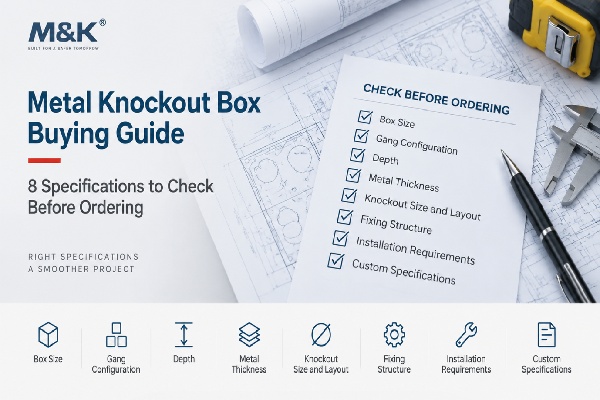
Before buying a metal junction box, check its protection rating, box size, internal wiring space, material, knockout layout, cover fit, grounding support, mounting method, and safety requirements. These points decide whether the box can protect electrical connections properly, fit the conduit system, resist corrosion, and install safely.
A metal junction box should not be selected only by price or appearance. The right box should match the installation environment, wiring capacity, and required protection level.
Key Things to Check Before Choosing a Metal Junction Box
| Check Point | What to Confirm | Why It Matters |
|---|---|---|
| Environment | Indoor, outdoor, wet, dusty, or corrosive use | Decides material and protection rating |
| IP / NEMA Rating | IP65, IP66, NEMA 3R, NEMA 4X, etc. | Protects against water, dust, rain, or corrosion |
| Size and Volume | Width, height, depth, and internal space | Avoids crowded wiring and difficult maintenance |
| Material | Galvanized steel, aluminum, stainless steel | Affects strength, weight, and corrosion resistance |
| Knockouts | Hole size, number, and position | Must match conduit or cable entry |
| Cover Fit | Screw alignment, sealing, and cover security | Affects safety and protection |
| Grounding | Grounding screw or bonding point | Supports code-compliant installation |
| Mounting | Surface, flush, wall, pole, or DIN rail support | Ensures stable installation |
Check the Installation Environment
Start with the environment. A dry indoor location may only need a standard metal junction box, while outdoor, wet, dusty, or corrosive areas may need better sealing, stronger coating, stainless steel, aluminum, or a higher IP/NEMA rating.
Focus on size, wiring space, cover fit, and safe edges.
Check rain protection, corrosion resistance, and secure cover.
Check IP65, IP66, NEMA 4, or similar protection.
Consider stainless steel, aluminum, or stronger coating.
Check the Size and Wiring Space
The box must have enough space for wires, connectors, terminals, and future maintenance. A box that is too small can make wiring crowded and difficult to inspect.
• Width, height, and depth
• Internal volume
• Space for connectors or terminals
• Wire bending space
• Cover clearance
The box should not only “fit the wires.” It should leave enough room for safe wiring and maintenance.
Check Material and Corrosion Resistance
Material should match the installation environment. Choosing the wrong material may lead to rust, weak structure, or shorter service life.
| Material | Suitable Use | Main Advantage |
|---|---|---|
| Galvanized Steel | General indoor use | Cost-effective with basic corrosion resistance |
| Painted Steel | Indoor or controlled areas | Clean appearance and flexible finish |
| Aluminum | Lightweight or corrosion-resistant use | Lower weight and good corrosion behavior |
| Stainless Steel 304 | Humid or corrosion-prone areas | Better corrosion resistance |
| Stainless Steel 316 / 316L | Coastal, chemical, or harsh environments | Stronger corrosion resistance |
Check Knockouts and Cable Entry Points
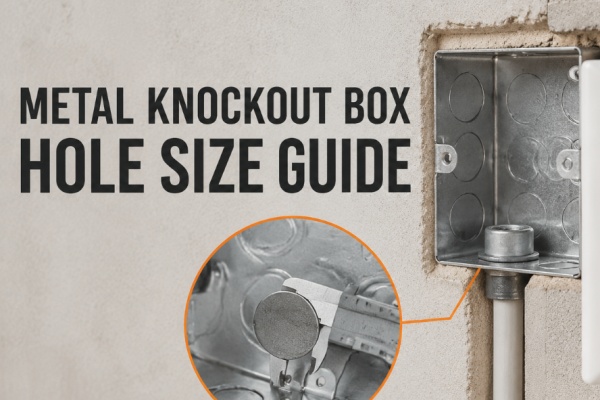
Knockouts should match the conduit or cable route. If the hole size or position is wrong, installation may require extra drilling or become difficult.
• Number of knockouts
• Hole size
• Hole position
• Entry direction: top, bottom, side, or rear
• Clean edges without burrs
• Whether knockouts can be removed cleanly
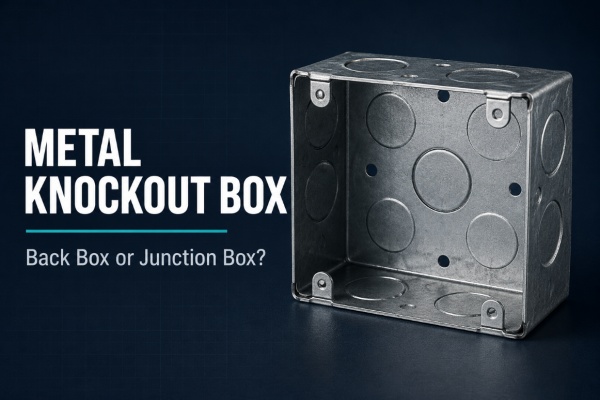
For metal knock out boxes, this is one of the most important checks.
Check Cover, Grounding, and Mounting
Cover fit, grounding support, and mounting method all affect safety and installation quality.
| Item | What to Check |
|---|---|
| Cover Fit | The cover should close smoothly, align with screw holes, and stay secure. |
| Gasket / Sealing | Required if the box needs dust or water protection. |
| Grounding | Check for grounding screw or bonding point when required. |
| Mounting | Confirm wall, surface, flush, pole, or DIN rail mounting support. |
| Access | The box should be easy to open, inspect, and maintain. |
Check IP, NEMA, and Safety Requirements
Not every metal junction box needs a high rating or certification. The requirement depends on the installation environment and local code.
The key is not to ask for every certificate, but to confirm whether the specific box meets the required standard for its use.
Special Requirements to Confirm
For normal use, the checks above are usually enough. For special environments, confirm whether the box needs additional protection or design support.
• Fire-rated performance
• Explosion-proof design
• Higher corrosion resistance
• Outdoor weather protection
• Special gasket sealing
• Heat dissipation design
• Warning labels or special markings
Quick Checklist Before Buying a Metal Junction Box
• Where will the box be used?
• Does it need an IP or NEMA rating?
• Is the size large enough for wiring?
• Is the material suitable for the environment?
• Are the knockouts in the right position?
• Does the cover close securely?
• Is grounding support needed?
• Can the box be mounted properly?
• Are local code or certification requirements clear?
• Are there special requirements such as fire rating or explosion-proof design?
M&K Metal Junction Box Support
M&K provides metal junction boxes and metal knock out boxes for practical electrical applications. Product options can include different sizes, material thicknesses, knockout layouts, surface finishes, cover styles, mounting methods, grounding support, and protection requirements.
If you need support with metal junction box size selection, material choice, knockout design, surface treatment, or product specifications, contact M&K for more information.
Contact M&K for support with specifications, materials, knockout layout, surface finish, and protection requirements.