Table of Contents
What Is a Knock Out Box?
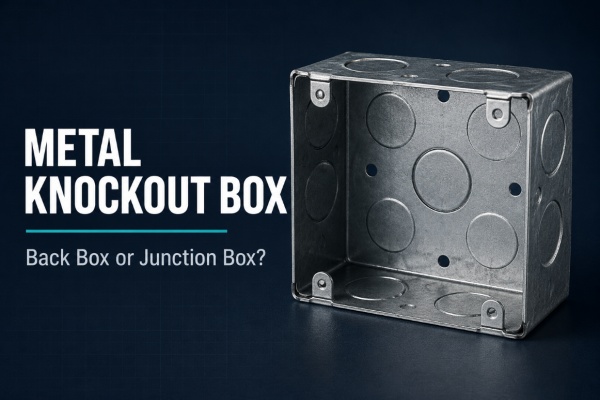
A knock out box is an electrical box with removable knockouts, letting cables or conduits enter cleanly without extra drilling, cutting, or complex site work.
In simple words, a knock out box is an electrical enclosure with prepared entry points. These entry points are called knockouts. When a cable or conduit needs to enter the box, the installer can remove the right knockout and create a clean opening.
Knock out boxes are commonly used in wiring systems because they make installation faster, neater, and easier to adjust. Instead of cutting a new hole each time, the box already has marked openings for common conduit or cable sizes.
What Are Knockouts in an Electrical Box?
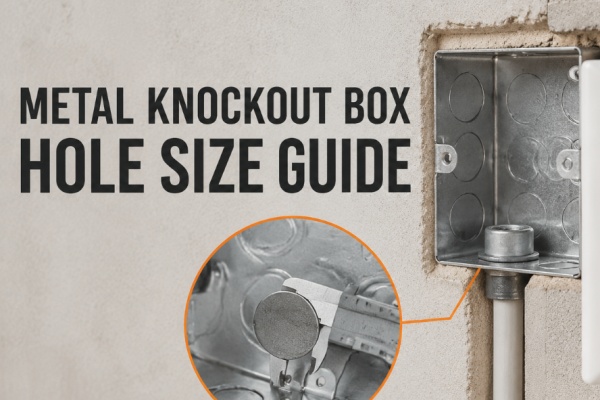
Knockouts are round or shaped sections on an electrical box that are partly stamped but not fully removed. They stay closed until they are needed.
A knockout is like a ready-made hole cover. It keeps the box closed when not used, but it can be removed when a cable, connector, or conduit needs to pass through.
This design helps keep unused openings closed, while still giving flexibility during installation. After a knockout is removed, the opening can be used with a suitable cable connector, conduit fitting, or gland.
What Is a Knock Out Box Used For?
A knock out box is used to house electrical connections and allow cables or conduits to enter the box from different directions. It is useful when the wiring direction may change during installation.
| Use | Simple Explanation |
|---|---|
| Cable entry | Allows cables to enter the box through selected openings. |
| Conduit connection | Helps connect metal or plastic conduits to the electrical box. |
| Wire protection | Keeps wire connections inside a protected enclosure. |
| Flexible installation | Lets installers choose the most suitable entry point on site. |
| Neater wiring | Helps cables enter the box in a cleaner and more organized way. |
How Does a Knock Out Box Work?
A knock out box works by using removable knockout sections as cable or conduit entry points. The installer removes only the knockout that is needed and leaves the unused ones closed.
This makes wiring easier because the box does not need to be drilled or cut on site. It also keeps the unused openings closed, which helps protect the inside of the box from dust, debris, and accidental contact.
What Types of Knockouts Are There?
Knockouts can have different designs. The three common types are standard knockouts, concentric knockouts, and eccentric knockouts.
| Type | What It Means | Simple Use |
|---|---|---|
| Standard knockout | A single removable circle for one opening size. | Used when one fixed conduit or cable entry size is needed. |
| Concentric knockout | Several circular rings share the same center. | Allows different opening sizes from the same knockout position. |
| Eccentric knockout | Several rings are offset instead of sharing one center. | Helps adjust conduit alignment slightly when space is limited. |
Why Are Knock Out Boxes Useful?
Knock out boxes are useful because they make wiring installation faster and more flexible. They give ready-made cable entry options without requiring extra cutting or drilling.
Saves Installation Time
The installer can open a prepared knockout instead of measuring and drilling a new hole.
Keeps Wiring Cleaner
Cables and conduits can enter through planned positions, making the wiring layout neater.
Allows Flexible Entry
Different knockout positions help match different wiring directions on site.
Protects Unused Openings
Knockouts stay closed until needed, helping keep the box more protected.
Where Are Knock Out Boxes Used?
Knock out boxes are used in many electrical installations where cables, wires, or conduits need to enter an enclosure safely and neatly.
- Residential wiring systems
- Commercial building wiring
- Metal junction boxes
- Distribution boxes and electrical enclosures
- Conduit wiring systems
- Garages, basements, workshops, and utility rooms
- Surface-mounted wiring installations
They are especially useful when the exact cable direction is not fully fixed before installation. The installer can choose the knockout that best matches the wiring path.
How to Use a Knockout Hole Safely?
A knockout hole should not be left open after it is removed. It should be used with a suitable connector, conduit fitting, cable gland, or plug, depending on the wiring need.
| Safe Use Point | Why It Matters |
|---|---|
| Remove only the needed knockout | Keeps unused openings closed and protected. |
| Use the right connector | Helps hold the cable or conduit firmly in place. |
| Seal unused openings | Helps keep dust, debris, and pests out of the box. |
| Avoid sharp edges | Protects cable insulation from damage. |
| Follow local electrical rules | Helps keep the installation safe and compliant. |
Need Help with Knock Out Boxes?
A knock out box makes electrical wiring easier by providing removable entry points for cables and conduits. It helps save installation time, keeps wiring neater, and gives the electrical box more flexible entry options.
M&K Knock Out Box Support
M&K supplies knock out boxes and related electrical box products for different wiring applications. If you still have questions about knock out boxes, cable entry, conduit connection, or product options, you can contact us for further support.