A metal junction box is often chosen for electrical projects that require stronger enclosure protection, better support for conduit systems, and more reliable performance in demanding installation environments. But many buyers and contractors still have the same questions before making a decision: are metal junction boxes better than plastic boxes, do they need to be grounded, can they be used outdoors, and are they suitable for exposed installations?
This guide explains the practical differences between metal junction boxes and plastic boxes, outlines the situations where metal boxes are often preferred, and highlights the key factors to review before selecting the right box for your project. The goal is simple: help buyers, installers, and project teams choose a solution that matches the wiring method, installation environment, and long-term performance requirements.
1. What Is a Metal Junction Box?
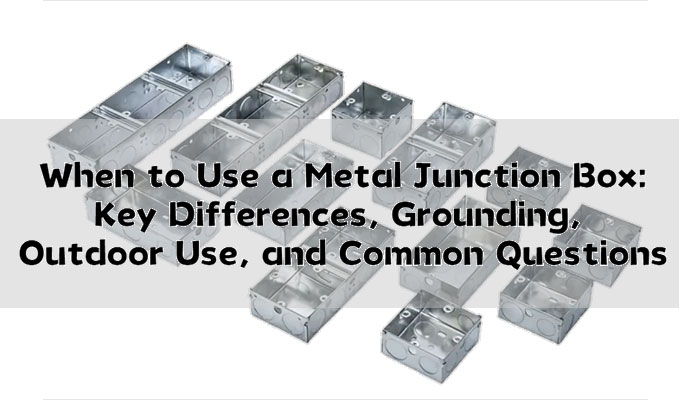
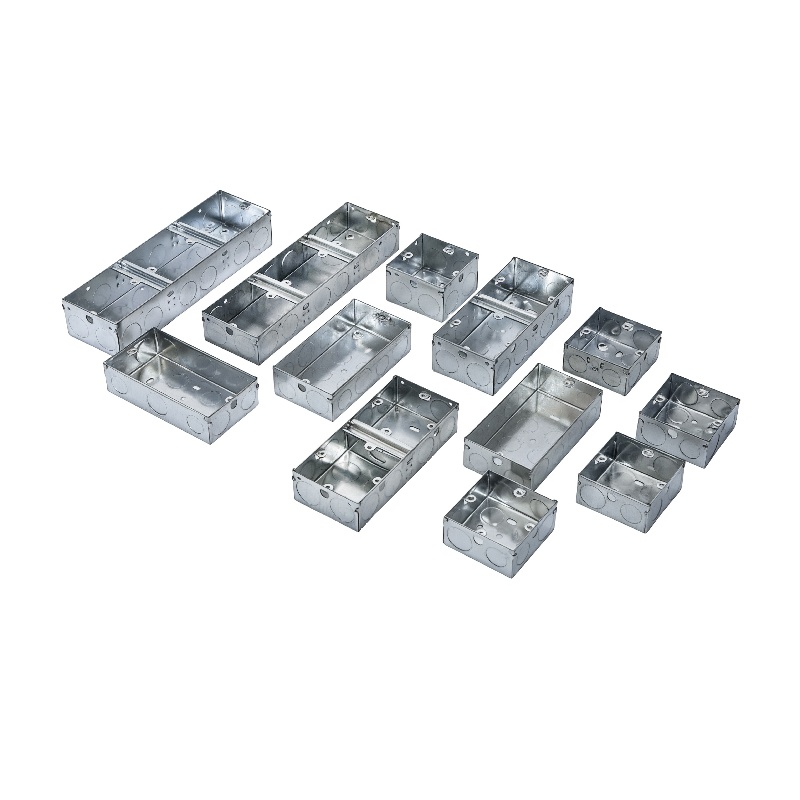
A metal junction box is an enclosure used to protect wire connections, organize electrical routing, and support safer power distribution in a wide range of installations. It is commonly used in commercial buildings, industrial facilities, equipment wiring systems, and projects where conduit wiring is part of the overall design.
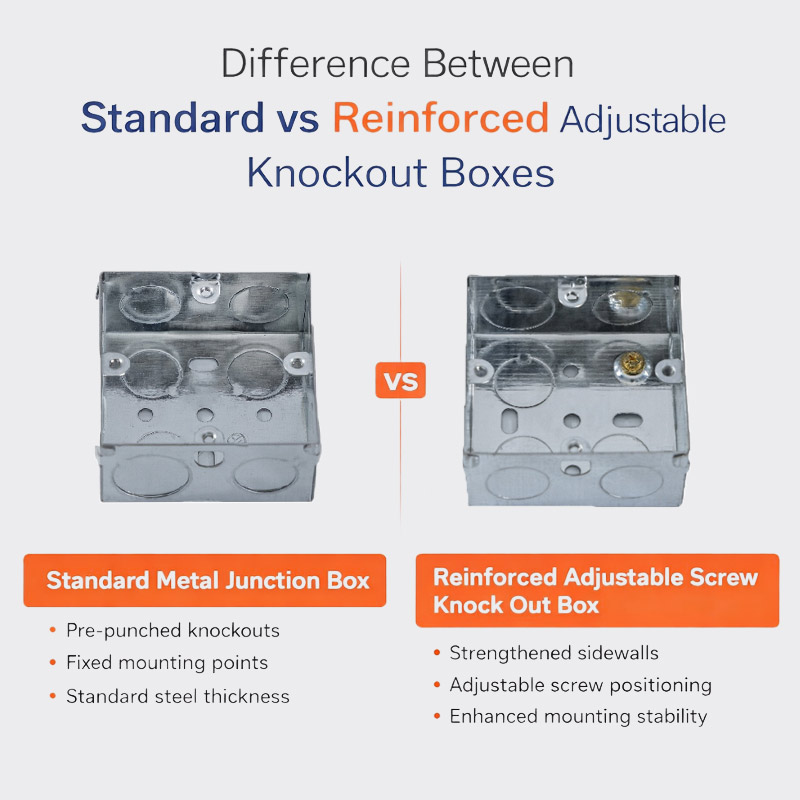
Compared with lighter enclosure types, a metal electrical box generally offers stronger structural support and improved resistance to impact or deformation. That is why it is often selected for projects where durability, installation stability, and long-term mechanical performance matter.
2. Are Metal Junction Boxes Better Than Plastic Boxes?
This is one of the most common questions in search results, but the practical answer is not that one material is always better in every situation. A metal junction box is often the better choice when the installation demands greater strength, more stable conduit support, or better protection in exposed and demanding environments. A plastic box may still be suitable in lighter-duty applications where installation conditions are simpler.
In other words, the better choice depends on the project. Instead of asking whether metal is always better, buyers usually get better results by asking when a metal box offers more value.
3. When Should You Choose a Metal Junction Box?
A metal junction box is typically the right direction when the project requires a more durable enclosure, especially in environments where wiring may be exposed, conduit is used, or the installation must withstand higher mechanical stress. This is one reason why metal boxes remain a common choice in many professional electrical systems.
Buyers should also consider the project environment. If the installation will be visible, subject to handling, or placed where long-term enclosure stability matters, a steel junction box or similar metal enclosure often provides a stronger solution than a lighter enclosure alternative.
4. Does a Metal Junction Box Need to Be Grounded?
This is another high-intent search question, and it deserves a careful answer. In many electrical systems, grounding is an important safety consideration when a metal junction box is used. However, the exact grounding requirements depend on the wiring method, the installation design, the type of box, and the electrical code or local regulations that apply to the project.
For that reason, it is better not to treat grounding as a one-line rule that applies the same way to every installation. From a product and procurement perspective, the practical takeaway is this: if your project uses metal electrical boxes, grounding compatibility and installation requirements should be reviewed early, not after material selection is already complete.
5. Can Metal Junction Boxes Be Used Outdoors?
Yes, a metal junction box can be used outdoors in many applications, but not every box is suitable for outdoor installation. Outdoor performance depends on the enclosure design, corrosion resistance, cover structure, sealing method, and the actual exposure conditions of the jobsite.
If the installation will face rain, humidity, dust, or other environmental exposure, the box should be selected with those conditions in mind. In practice, buyers often look for details such as suitable material treatment, a compatible cover design, and a structure that matches the intended outdoor wiring layout.
6. Can a Metal Junction Box Be Exposed?
In many projects, yes. In fact, one reason installers choose a metal junction box is because it is often well suited to exposed or surface-mounted installations where the enclosure remains visible and may face higher risk of accidental impact or handling. This is especially common in commercial, industrial, and utility-related environments.
That said, exposed installation does not mean any box can be used anywhere. The selected box still needs to match the wiring system, the mounting method, and the surrounding environment. A box designed for light indoor use may not be the right choice for more demanding exposed applications.
7. Metal Junction Box vs Plastic Box: What Are the Main Differences?
For many buyers, the comparison between a metal junction box and a plastic box is really a comparison between different installation priorities. The table below gives a practical overview.
| Comparison Point | Metal Junction Box | Plastic Box |
|---|---|---|
| Mechanical Strength | Usually stronger and better suited for demanding applications | Often suitable for lighter-duty installations |
| Conduit Compatibility | Commonly chosen for conduit wiring systems | May depend more on the specific installation method |
| Exposed Use | Often preferred where the box is visible or subject to contact | Usually better suited to less demanding visible applications |
| Grounding Consideration | Should be reviewed carefully according to code and system design | Requirements vary by system and application |
| Typical Application Focus | Commercial, industrial, conduit, exposed, and heavy-duty use | Residential or lighter-duty projects depending on the design |
8. How Do You Choose the Right Metal Junction Box?
Choosing the right metal junction box is not only about size. The right selection depends on how the box will be installed, what kind of wiring system it supports, and what level of protection the application really needs. A good product match reduces installation problems and improves long-term reliability.
For buyers sourcing at scale, it is also useful to check whether the supplier can offer multiple metal electrical box configurations, support different project standards, and provide product consistency across batches. That matters just as much as the basic box specification itself.
9. Frequently Asked Questions
Are metal junction boxes better?
Does a metal junction box need to be grounded?
Which is better, a metal or plastic utility box?
Can you use metal junction boxes outside?
Can a metal junction box be exposed?
When should you not use the same box type for every project?
Conclusion
A metal junction box is a practical choice for many professional electrical installations because it offers stronger enclosure performance, better support for conduit-based wiring, and more confidence in exposed or demanding environments. It is not simply a matter of choosing metal over plastic in every case. The real value comes from matching the box to the project’s wiring method, environment, and durability requirements.
For buyers and contractors, the most effective approach is to evaluate box structure, installation method, grounding considerations, outdoor suitability, and long-term application needs together. When those factors are reviewed early, it becomes much easier to select the right metal electrical box for safe, stable, and efficient installation.
If your application requires a durable metal junction box for conduit systems, exposed installations, or custom project requirements, selecting the right structure and specification is the first step toward better installation performance.