Common Box Sizes
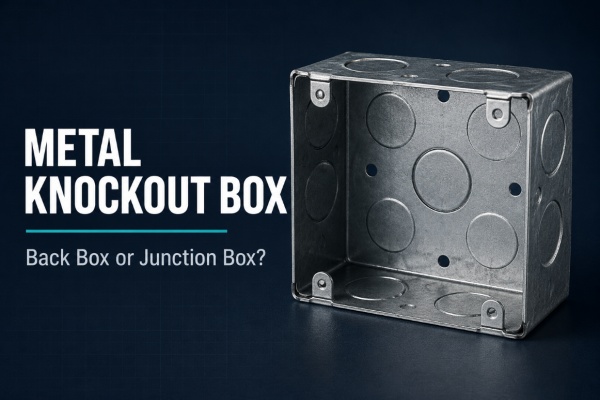
Metal junction boxes come in a variety of sizes to accommodate different wiring needs. The most common sizes are typically classified by their length, width, and depth, with the most common being small, medium, and large boxes. Each size is designed to serve specific purposes, and choosing the right one is critical to the overall functionality and safety of your electrical system.
Common sizes include:
- Small boxes (e.g., 2.5″ x 2.5″ x 2.5″) – Ideal for single device installations like light switches or outlets.
- Medium boxes (e.g., 4″ x 4″ x 2.5″) – Suitable for installations that require a bit more space for wiring or devices.
- Large boxes (e.g., 6″ x 6″ x 4″) – Used for larger installations or multiple devices, providing ample space for wiring and connectors.
Small vs Large Box Usage
The choice between a small or large box often depends on the number of devices you need to install and the amount of wiring involved. Smaller boxes are generally sufficient for simple electrical installations, such as single outlets or switches. However, if your installation requires multiple devices or more complex wiring, a larger box will be necessary to provide enough space.
- Small boxes: Ideal for simple installations such as single switches or outlets where minimal wiring is required.
- Large boxes: Necessary for installations involving multiple devices, such as duplex outlets or installations requiring significant wiring and connectors.
Device-Related Size Decisions
When selecting a metal junction box, one of the primary considerations is the type and number of devices to be installed. The size of the box should accommodate the required devices with enough space for wiring. For instance, a standard 1-gang outlet will require a smaller box, while a 2-gang outlet or multiple switches will necessitate a larger box to ensure that all components fit securely and are well-organized.
- 1-gang outlets: These require small boxes, usually measuring around 2.5″ x 2.5″ x 2.5″.
- 2-gang outlets: For these, a medium-sized box measuring around 4″ x 4″ x 2.5″ is ideal.
- Multiple switches or outlets: For more complex installations, larger boxes such as 6″ x 6″ x 4″ are necessary.
Wiring Capacity Considerations
The wiring capacity of a junction box is determined by the amount of wire that needs to be housed. When selecting the box size, consider not only the devices but also the number of wires that need to be routed through the box. A larger box provides more room for complex wiring configurations and allows for better organization and safety. Overcrowded boxes can lead to overheating and pose a fire hazard.
- More wires: Choose a larger box if your installation involves multiple wires and connections.
- Less wiring: A smaller box should be sufficient for simpler installations with fewer wires.
Practical Size Selection Examples
Below are some practical examples of when to choose different sizes of metal junction boxes:
- Single outlet in a kitchen: Use a small box (2.5″ x 2.5″ x 2.5″).
- Double outlet in a living room: Use a medium box (4″ x 4″ x 2.5″).
- Multiple outlets in a commercial setting: Use a large box (6″ x 6″ x 4″).
- Multiple switches for controlling lights: Choose a large box (6″ x 6″ x 4″) for proper fitting and wiring.
At M&K, we offer a wide range of metal junction boxes in various sizes to fit your installation needs. Whether you need a small box for a single outlet or a larger box for complex wiring, our products are designed for durability, flexibility, and ease of installation. If you have any questions or would like more information, feel free to contact us.