Table of Contents
Lightning is one of the most powerful natural phenomena. A direct lightning strike can damage buildings, electrical systems, and equipment. A lightning rod provides a safe path for lightning current to discharge into the ground, reducing the risk of fire, structural damage, and electrical failures.
What Is a Lightning Rod?
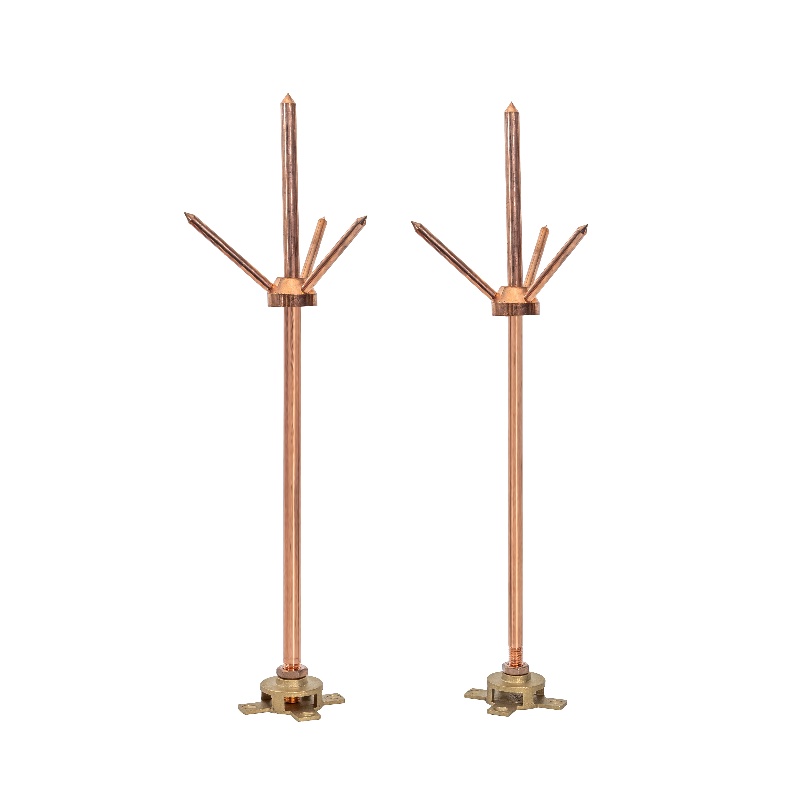
A lightning rod, also called a lightning protection air terminal, is a metal conductor installed at the highest point of a structure.
It intercepts lightning strikes and transfers electrical energy through a down conductor into the grounding system to protect buildings and equipment.
A complete lightning protection system includes:
- Lightning Rod
- Down Conductor
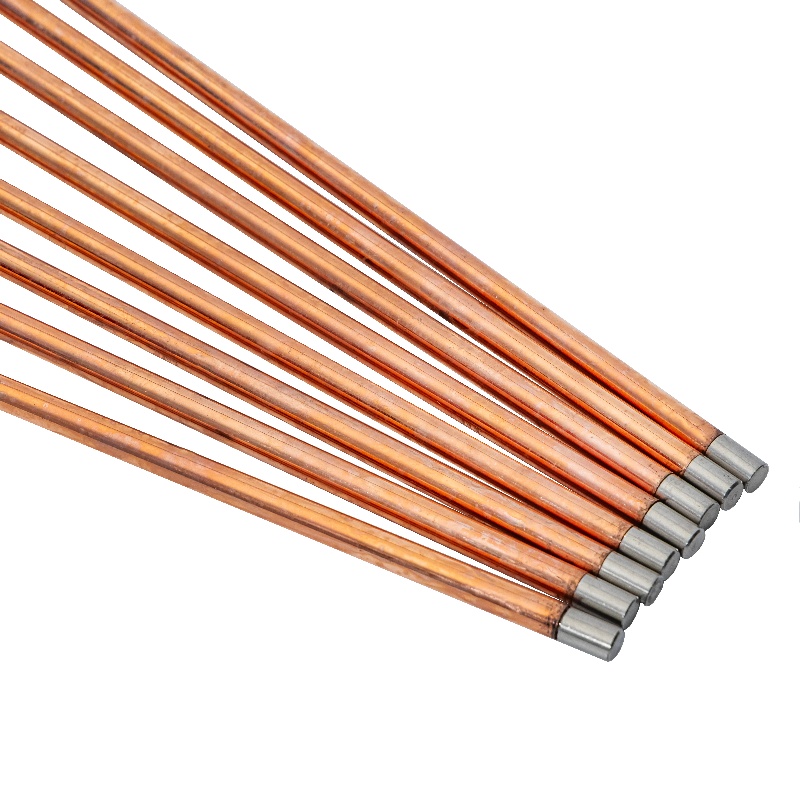
- Grounding System
How Does a Lightning Rod Work?
When lightning approaches a building, the lightning rod provides a preferred discharge point. The lightning current passes through the rod, down conductor, and grounding system before being safely released into the earth.
This controlled path helps reduce damage caused by direct lightning strikes.
How to Choose the Right Lightning Rod System?
The right lightning rod should be selected based on building type, material, technical specifications, installation method, and environment.
Building Type and Height
Small residential buildings usually use standard single-point lightning rods. Factories, warehouses, commercial buildings, and high-rise structures require stronger protection solutions.
Higher buildings need larger protection coverage, higher lightning current capacity, and proper grounding design. Multi-point lightning rods are suitable for wider protection areas.
Lightning Rod Material
Material selection affects conductivity, durability, and service life.
Copper Lightning Rod
Suitable for commercial buildings, industrial facilities, power projects, and important infrastructure.
Advantages: Excellent conductivity, strong lightning current transmission, high durability, and long service life.
Aluminum Lightning Rod
Suitable for residential buildings, general commercial buildings, and lightweight roof structures.
Advantages: Lightweight design, easy installation, and good electrical performance.
Length, Diameter, and Lightning Current Capacity
Lightning rod specifications directly affect protection performance.
- Length: Select according to building height and protection range. Common sizes include 1m, 1.5m, 2m, and 3m.
- Diameter: A suitable diameter improves mechanical strength and current carrying capability.
- Lightning Current Capacity: Choose products with sufficient current capacity for the application, especially for industrial projects.
Grounding Compatibility and Installation Method
A lightning rod must work with a complete grounding system.
- Down conductor connection
- Grounding components
- Mounting accessories
- Installation location
Common installation methods include roof installation, pole installation, and structure mounting.
Lightning Rod → Down Conductor → Earth Rod → Grounding System
Environmental Conditions
Environment affects material selection and system performance.
- High Lightning Activity Areas:
Multi-point lightning rods provide wider protection coverage. - Coastal and Humid Areas:
Copper lightning rods and stainless steel components provide better corrosion resistance. - High Temperature and Strong UV Areas:
Copper lightning rods and stainless steel components offer good outdoor durability and stable performance.
Conclusion
Choosing the right lightning rod requires more than comparing prices. Building type, material, size, current capacity, installation method, and environment should all be considered before purchase.
A properly selected lightning rod system provides reliable protection for residential, commercial, and industrial applications.
For professional lightning protection projects, products such as copper lightning rods, multi-point air terminals, and copper bonded earth rods provide reliable solutions for different applications.
Need Help Choosing a Lightning Protection System?
M&K supplies reliable lightning protection systems, including copper lightning rods and earth rods. If you have questions about system design, material selection, or grounding solutions, contact the M&K team for professional support.