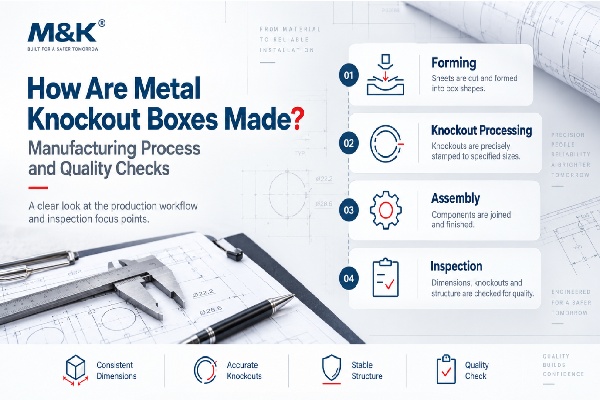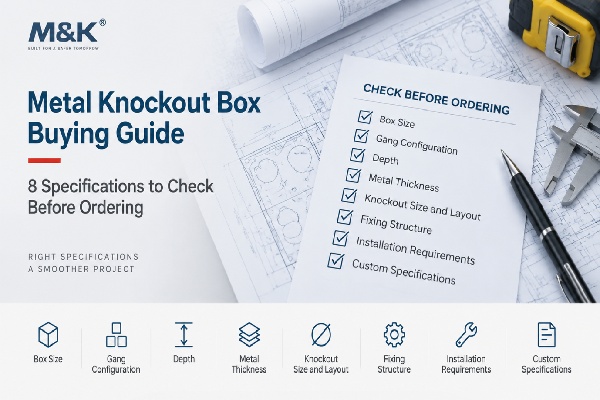
For electrical box applications, consistent manufacturing is important because even small differences in size, knockout position or fixing structure may affect compatibility with switches, sockets, conduits and fittings.
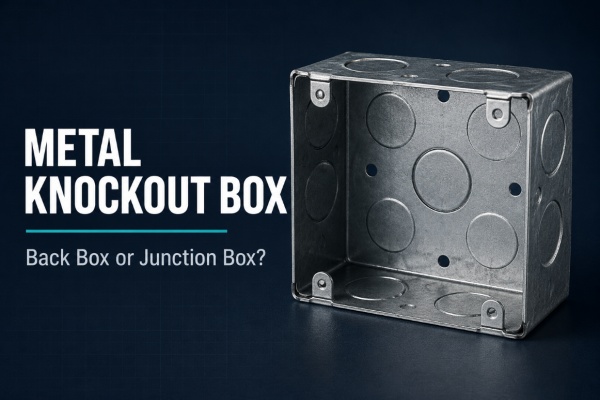
M&K provides different configurations of metal knockout boxes with different depths, thicknesses, gang configurations and structural options for electrical installation applications.
1. Metal Material and Thickness Selection
The manufacturing process starts with selecting the suitable metal sheet according to the required box specification. Material thickness is one of the key factors affecting box rigidity, dimensions and final application performance.
Different projects may require different thickness options depending on:
- Box size and structure.
- Required mechanical strength.
- Installation environment.
- Project specifications.
M&K metal knockout boxes are available in different thickness configurations where applicable, allowing the product structure to match different installation requirements.
2. Metal Box Forming Process
After the metal sheet is prepared, it is formed into the required box structure according to the product design. The forming process determines the overall dimensions, depth and shape consistency of the electrical box.
During production, important points include:
- Accurate box dimensions.
- Consistent depth and overall shape.
- Proper edge forming.
- Correct positions for fixing components.
A stable forming process helps ensure that the finished metal knockout box can match the required installation position and maintain consistent product quality between batches.
3. Knockout Processing for Electrical Entry
Knockouts are one of the most important features of a metal knockout box because they provide entry points for conduits, cables and fittings.
The manufacturing process needs to control:
- Knockout position: ensuring the openings match the product design.
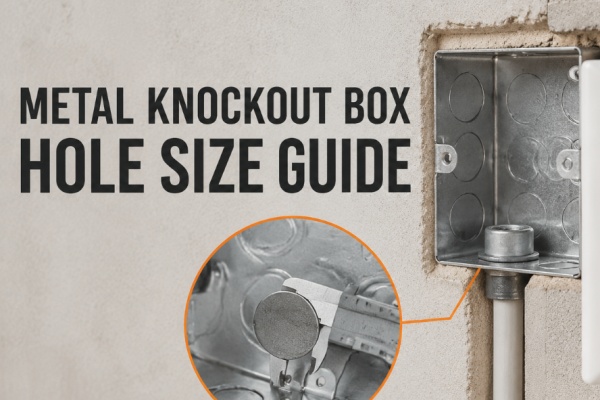
- Knockout size: ensuring compatibility with required fittings.
- Knockout quantity: providing suitable entry options.
- Knockout spacing: maintaining enough clearance between openings.
Incorrect knockout positioning may affect installation convenience, so dimensional consistency is an important quality control point during production.
For more information about knockout selection and fitting compatibility, see: How to Match Knockouts, Conduit and Fittings .
4. Assembly and Structural Components
Depending on the product design, metal knockout boxes may include different fixing structures and support components. These components influence how switches, sockets and other electrical accessories are installed.
Common structural options include:
Selecting the correct structure is important because the box needs to work together with the installed electrical accessories and the final installation method.
5. Quality Inspection Before Delivery
Quality inspection helps confirm that finished metal knockout boxes meet the required specifications before shipment.
Typical inspection points include:
- Overall box dimensions.
- Box depth and shape consistency.
- Metal thickness.
- Knockout size and position.
- Fixing hole and component position.
- Surface condition.
These checks help maintain consistency between samples, production batches and repeat orders.
6. What Affects Metal Knockout Box Quality?
The final quality of a metal knockout box depends on multiple manufacturing factors rather than a single production step.
Dimension Accuracy
Ensures the box matches the required installation space and electrical accessories.
Knockout Consistency
Ensures conduit and fitting installation can be completed correctly.
Structural Design
Ensures fixing components and support structures meet the intended application.
Production Consistency
Maintains stable quality across repeated orders.
7. Custom Metal Knockout Box Production
Standard metal knockout boxes can meet many common installation requirements. However, some projects require different dimensions, knockout layouts or structural designs.
Customization may include:
- Different box dimensions.
- Different depth requirements.
- Specific knockout layouts.
- Different fixing structures.
- Customized labeling and packaging.
Providing a drawing, specification sheet or reference sample helps confirm the required configuration before production.
Why Manufacturing Quality Matters for Metal Knockout Boxes
A reliable metal knockout box requires accurate dimensions, consistent knockout processing and stable structural quality. These factors directly influence installation efficiency and product compatibility.
By controlling material selection, forming accuracy, knockout processing and inspection procedures, M&K helps provide consistent metal electrical box solutions for different applications.
Frequently Asked Questions
What is the manufacturing process of a metal knockout box?
A metal knockout box is produced through metal sheet preparation, forming, knockout processing, component assembly and quality inspection.
Why is knockout accuracy important?
Knockout accuracy affects whether conduits, connectors and fittings can be installed correctly and efficiently.
What quality checks are needed for metal knockout boxes?
Common checks include dimensions, thickness, knockout position, fixing structure and surface condition.
Can metal knockout boxes be customized?
Yes. Dimensions, knockout layout, fixing structures, labeling and packaging can be customized according to project requirements.
Metal Knockout Box Manufacturer
M&K supplies metal knockout boxes with different configurations, depths, thicknesses and structural options. Contact us with your drawing, specification or sample requirement to discuss the suitable solution.