Dimensions
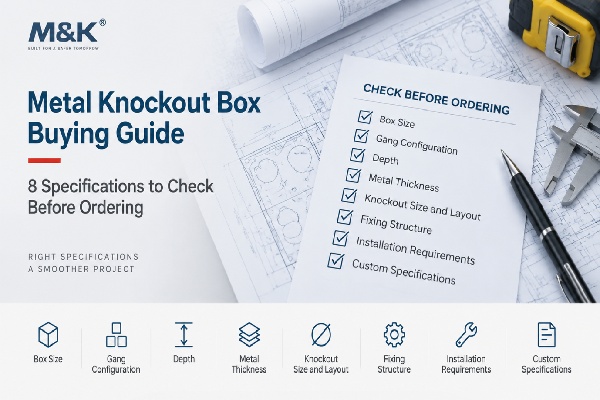
When selecting a metal junction box, understanding its dimensions is one of the most important specifications. The dimensions of the box will determine whether it fits within the space available and whether it can accommodate the necessary components.
Typically, junction boxes are measured in length, width, and depth. These measurements are essential when choosing the right box for specific installations. A box that is too large may take up unnecessary space, while one that is too small might not provide adequate room for wiring and components.
- Length and width determine the box’s footprint.
- Depth influences how much wiring and how many devices can be installed inside the box.
- Ensure the box fits the available space while offering enough room for wiring and components.
Thickness / Gauge
The thickness or gauge of a metal junction box refers to the material’s thickness, which affects its strength and durability. The thicker the metal, the more robust and secure the box will be, making it ideal for heavy-duty or industrial applications.
- Gauge number: A lower gauge number indicates thicker metal. For example, 14-gauge metal is thicker and more durable than 20-gauge metal.
- Applications: Thicker boxes are generally used in industrial or outdoor settings where the box needs to withstand harsh conditions.
- Weight: Thicker gauge metal will make the box heavier, so consider whether that’s suitable for your installation needs.
Number of Knockouts
The number of knockouts in a junction box refers to the pre-punched holes that can be removed to allow conduit or wiring to enter the box. The more knockouts, the more flexible the box is for different wiring configurations.
- Knockouts are available in various sizes and locations depending on the type of box.
- Choosing a box with the appropriate number of knockouts ensures easier installation of electrical conduit.
- Consider how many connections you need to make before selecting a box, as some installations may require more entry points than others.
Mounting Hole Positions
Mounting hole positions refer to the locations where the junction box can be attached to a surface, such as a wall. These positions should be considered when selecting the box to ensure that the mounting holes align with the intended installation surface.
- Ensure the mounting holes align with the desired surface for installation.
- Boxes with multiple mounting holes allow for more flexibility during installation.
- Choose a box with holes that accommodate standard screws or brackets for easy installation.
Cover Compatibility
A metal junction box’s cover compatibility refers to the type of cover that fits securely over the box. Covers can vary depending on the type of box and its intended use (e.g., weatherproof or tamper-resistant covers). It’s important to ensure that the cover is compatible with the junction box to provide a safe and secure closure.
- Check if the box is designed for specific cover types, such as flush or raised covers.
- Weatherproof boxes require covers that seal tightly to prevent moisture from entering.
- Ensure the cover is securely fastened to prevent accidental exposure to live electrical components.
Finish and Coating
The finish and coating of a metal junction box protect it from corrosion and other environmental factors. Common finishes include galvanized (zinc-coated) or powder-coated finishes. These coatings ensure the box maintains its integrity over time, especially in outdoor or industrial environments.
- Powder-coated finishes offer a smooth surface and additional protection against rust.
- Galvanized coatings provide a corrosion-resistant layer that is essential for outdoor applications.
- Ensure the coating matches the environmental conditions the box will be exposed to, such as moisture or extreme temperatures.
At M&K, we offer a wide range of metal junction boxes with various specifications to meet your installation needs. Our boxes are designed for durability, flexibility, and easy installation. If you have any questions or would like more information, feel free to contact us.