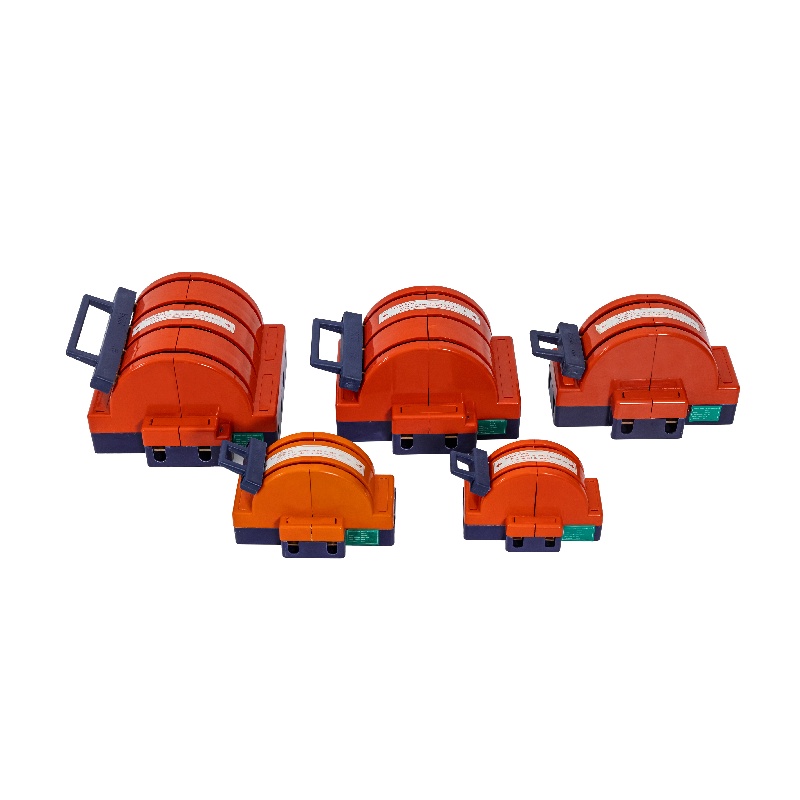
Protecting Splices and Terminations
One of the primary uses of a metal electrical box is to protect wire splices and terminations. Splices refer to the connection between two wires, and terminations are the ends of the wires that connect to a device, switch, or outlet. These connections are vulnerable to damage from environmental factors, such as moisture, dirt, or physical impacts.
Metal electrical boxes shield these sensitive connections, ensuring they remain intact and safe. This is especially important in areas with high traffic or where electrical wiring could be exposed to wear and tear. The box serves as a protective barrier, preventing accidental damage that could lead to faults or even electrical fires.
Supporting Switches or Outlets
Metal electrical boxes are also designed to support switches, outlets, and other electrical components. By securely housing these devices, the box ensures that they remain stable and functional throughout their use. For example, when installing an outlet, the metal box provides a solid foundation, preventing the outlet from loosening over time, which can cause wiring issues or even fire hazards.
- Prevents switches or outlets from becoming loose or detached, maintaining proper electrical connections.
- Acts as a stable mounting point for devices, ensuring secure installation.
Organizing Conduit Entry Points
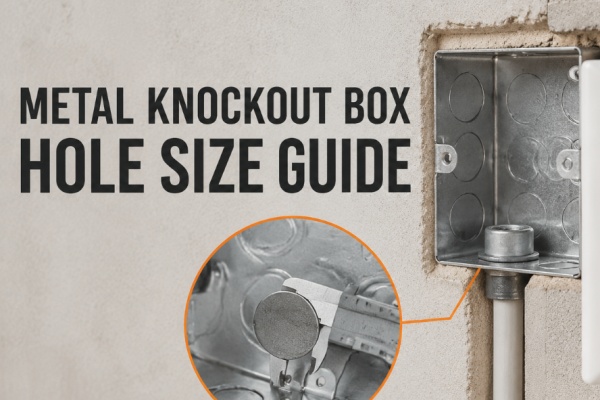
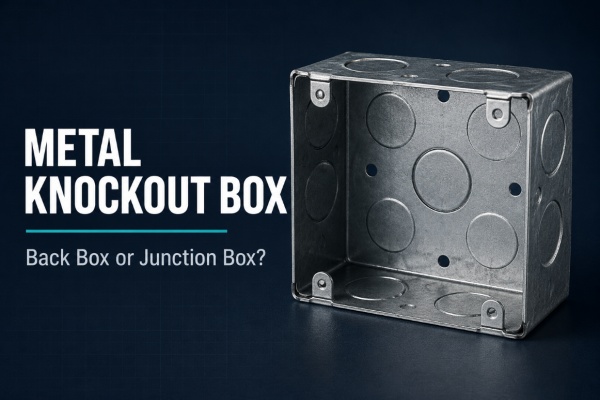
Metal electrical boxes are also useful for organizing and managing the entry points of electrical conduits. These boxes often come with multiple knockouts, which are pre-punched holes that can be removed as needed to accommodate wiring. By using these knockouts, electricians can easily route and manage conduit, ensuring that wires and cables are properly organized and safely contained.
- Allows flexible routing of electrical cables while maintaining a neat, organized wiring system.
- Helps prevent the clutter and disorganization that can lead to electrical hazards.
- Ensures that conduits are securely connected to the box for proper support.
Reducing Accidental Contact Risk
One of the key safety features of a metal electrical box is its ability to reduce the risk of accidental contact with live electrical components. The metal enclosure acts as a barrier, preventing accidental touch of electrical wires or terminals. This is especially important in environments where unauthorized personnel or untrained individuals may come into contact with electrical systems.
By enclosing the wiring inside a metal box, the risk of shock or electrical burns is minimized, making it an essential safety feature in commercial, industrial, and residential installations.
Improving Installation Safety
Metal electrical boxes not only protect the wiring but also improve the overall safety of the installation process. During electrical work, it is crucial to have a safe and organized environment to prevent accidents. The use of a metal electrical box allows for a more controlled installation, preventing the risk of exposure to hazardous wiring.
- Helps avoid accidental short circuits by keeping wiring contained.
- Protects installers from potential electric shocks during the installation process.
- Ensures compliance with electrical safety standards and regulations.
At M&K, we manufacture premium metal electrical boxes that provide superior protection, organization, and safety for all your electrical installations. If you have any questions or would like more information, feel free to contact us.