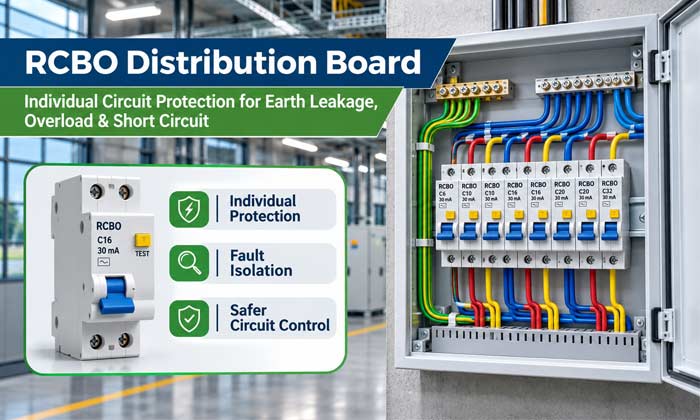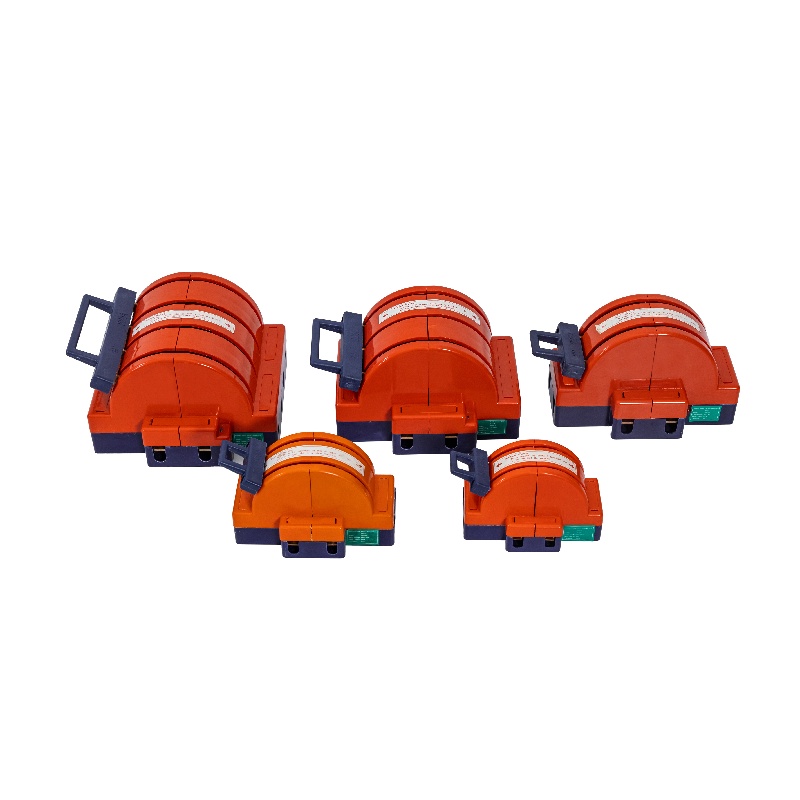
An RCBO distribution board uses individual circuit breakers to protect against earth leakage, overloads, and short circuits while keeping other circuits running.
In a typical electrical installation, a distribution board divides incoming power into separate circuits for lighting, sockets, appliances, and other equipment. An RCBO distribution board adds individual protection to these circuits, so a fault in one area does not normally interrupt electricity in other areas.
This makes RCBO distribution boards useful in homes, offices, shops, and other buildings where electrical safety and fewer unnecessary power interruptions are important.
What Is an RCBO in a Distribution Board?
RCBO stands for Residual Current Circuit Breaker with Overcurrent Protection. It is a protective device that combines the functions of an MCB and an RCD in one unit.
Simply put, an RCBO protects a circuit against three common electrical problems:
- Earth Leakage: Detects electricity flowing through an unintended path and disconnects the circuit to reduce certain electric shock risks.
- Overload: Trips when too much current flows through a circuit for an extended period, helping prevent overheating.
- Short Circuit: Quickly disconnects power when an electrical fault causes a sudden, unusually high current.
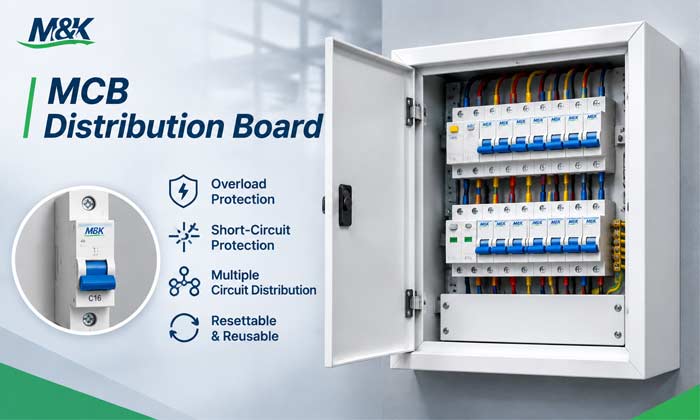
Unlike a standard MCB, which only provides overload and short-circuit protection, an RCBO also detects earth leakage. This allows one device to provide both types of protection for an individual circuit.
How Does an RCBO Distribution Board Work?
An RCBO distribution board works by assigning separate RCBOs to individual electrical circuits. Each RCBO monitors its own circuit and automatically switches off the power when it detects a fault.
For example, imagine a house with separate circuits for the kitchen, lighting, and air conditioning. If a faulty kitchen appliance causes an earth leakage fault, the kitchen RCBO can trip while the other circuits normally continue operating.
This helps limit unnecessary power interruptions and makes it easier to identify which circuit has a problem.
However, individual RCBOs do not guarantee that every fault will affect only one circuit. The result also depends on the wiring and the arrangement of other protective devices.
RCBO Distribution Board vs RCCB and MCB: What Is the Difference?
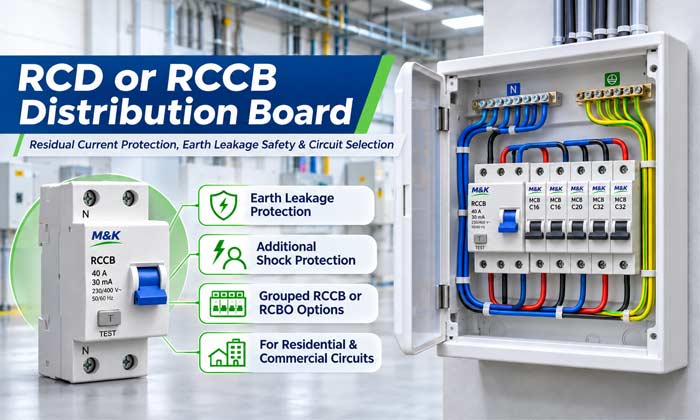
The main difference is how electrical protection is arranged. A traditional distribution board may use one RCCB to protect several circuits against earth leakage, with separate MCBs providing overload and short-circuit protection.
An RCBO distribution board instead provides both functions through individual RCBOs.
| Comparison | RCBO Distribution Board | RCCB + MCB Distribution Board |
|---|---|---|
| Protection | Each RCBO provides earth leakage, overload, and short-circuit protection. | RCCB provides earth leakage protection; MCBs provide overload and short-circuit protection. |
| Fault Isolation | Usually disconnects only the affected circuit. | A shared RCCB may disconnect several circuits together. |
| Maintenance | Easier to identify the circuit that has tripped. | May require checking several circuits to find the fault. |
| Cost | Often higher initial device cost. | Can be more economical for grouped protection. |
Both arrangements can provide suitable electrical protection when correctly designed and installed. Individual RCBOs are generally more convenient when you want to minimize interruptions to other circuits.
When Should You Use an RCBO Distribution Board?
An RCBO distribution board is particularly useful when a building has multiple electrical circuits and you want faults to affect as few circuits as possible.
Residential Buildings
RCBOs can protect kitchen appliances, bathroom circuits, lighting, and socket outlets separately. For example, a fault in a washing machine circuit does not normally need to disconnect the lights in other rooms.
Offices and Commercial Buildings
In offices, shops, and schools, individual RCBO protection helps reduce unnecessary interruptions to lighting, computers, and other equipment when a fault occurs on a separate circuit.
Workshops and Light Industrial Facilities
RCBOs can protect suitable circuits supplying sockets, lighting, and selected equipment. However, some industrial machines require specific types of protection, so the equipment requirements should be checked before installation.
Buildings With Multiple Independent Circuits
For larger homes or commercial projects with many circuits, individual RCBO protection can simplify fault identification and maintenance. It is especially useful where shutting down unrelated circuits would cause inconvenience.
How to Choose the Right RCBO Distribution Board?
When selecting an RCBO distribution board, focus on the electrical requirements of the installation rather than simply choosing the largest or most expensive model.
- Number of Circuits: Count how many separate circuits need protection and allow room for future additions if necessary.
- Electrical Ratings: Check that the RCBOs and distribution board match the supply voltage, expected electrical loads, and required fault protection.
- Residual Current Sensitivity: A 30 mA RCBO is commonly used where additional electric shock protection is required. The correct rating depends on the application.
- Equipment Compatibility: Some electronic appliances, EV chargers, and industrial equipment require specific RCBO types.
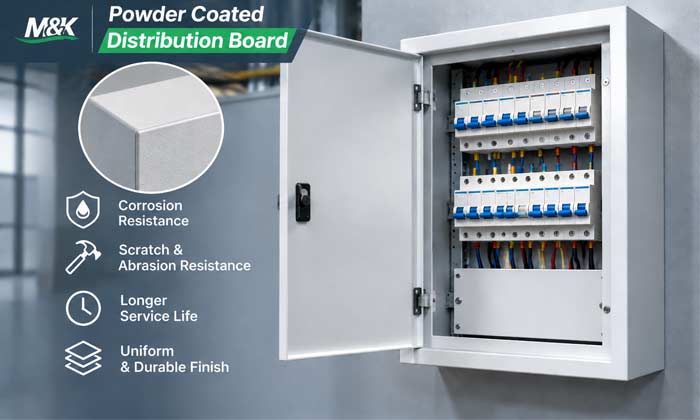
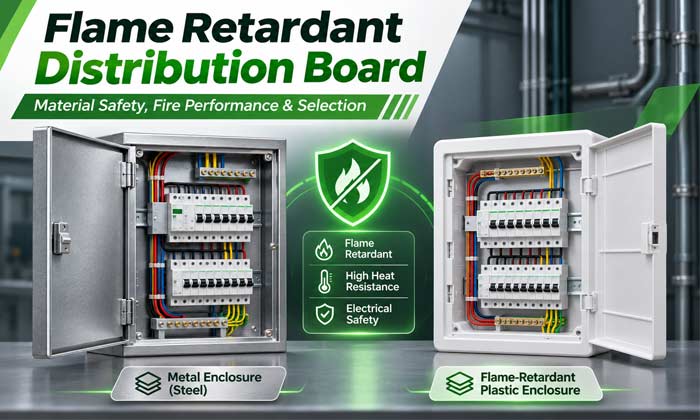
- Enclosure and Installation: Choose a suitable metal or plastic enclosure, mounting method, and protection rating for the installation environment.
- Standards: Check the applicable electrical standards and product documentation. IEC 61009-1 is a commonly relevant standard for RCBOs.
Also make sure the selected RCBOs are compatible with the distribution board and its internal connections. Installation and testing should be carried out by qualified electrical personnel.
Need Help Choosing an RCBO Distribution Board?
An RCBO distribution board is a practical choice when individual circuits need protection against earth leakage, overloads, and short circuits. It can make electrical faults easier to identify while reducing unnecessary power interruptions.
M&K supplies distribution boards for residential, commercial, and other electrical installations. If you have questions about RCBO configurations, enclosure options, or product specifications, contact M&K to discuss your requirements.